Digital Transformation for Small Businesses: A Practical Guide
By Tamer Baghdadi • January 14, 2026 • 6 min read
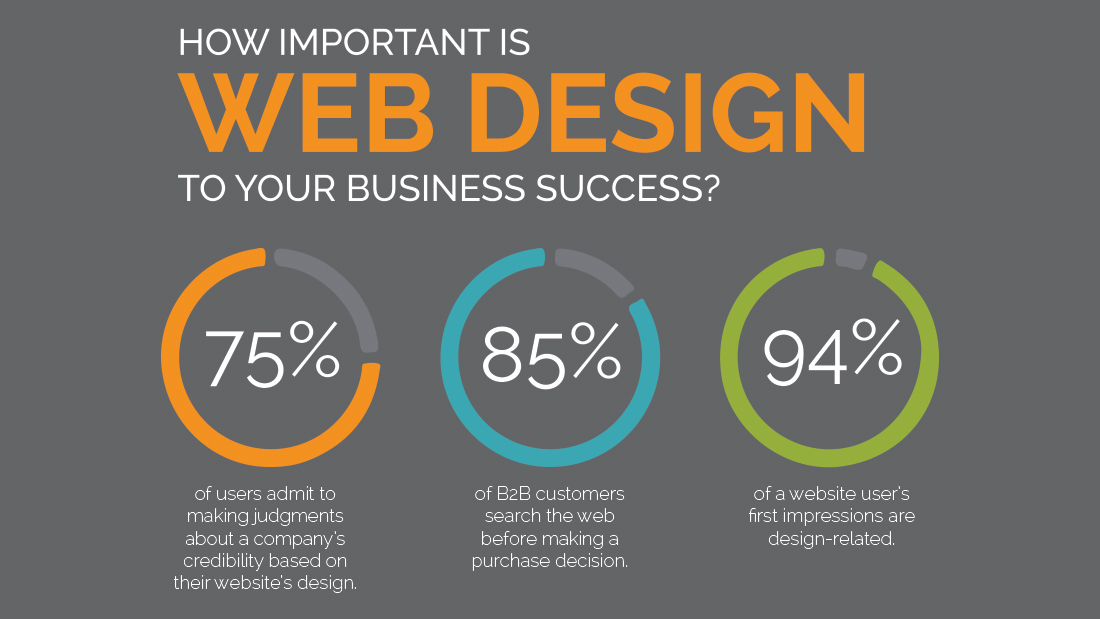
Digital transformation is no longer optional—it's essential for small businesses to survive and thrive. Here's how to get started.
Assess Your Current State
Before making changes, understand where you are. Evaluate your current processes, technology, and customer interactions. Identify pain points and opportunities.
Set Clear Goals
Define what digital transformation means for your business. Are you looking to improve efficiency, reach more customers, or enhance customer experience? Set measurable goals.
Start with Customer Experience
Focus on improving how customers interact with your business. This might include a better website, online ordering, or improved customer support.
Embrace Cloud Solutions
Cloud-based tools are affordable and scalable. Consider moving to cloud-based CRM, accounting software, and collaboration tools.
Invest in Automation
Automate repetitive tasks to save time and reduce errors. This includes email marketing, invoicing, social media posting, and customer follow-ups.
Build a Digital-First Culture
Train your team on digital tools and foster a culture of continuous learning. Digital transformation is as much about people as it is about technology.
Measure and Iterate
Track your progress using analytics and KPIs. Be ready to adjust your strategy based on results and feedback.
Digital transformation doesn't happen overnight, but with a clear strategy and commitment, small businesses can successfully navigate this journey.