React vs Next.js: Which Should You Choose?
By Tamer Baghdadi • January 22, 2026 • 6 min read
React and Next.js are both powerful JavaScript frameworks, but they serve different purposes. Let's break down the differences to help you choose.
What is React?
React is a JavaScript library for building user interfaces with reusable components. It's lightweight and flexible, giving you complete control over your project structure.
What is Next.js?
Next.js is a full-stack framework built on top of React. It provides server-side rendering, static site generation, API routes, and other production-ready features out of the box.
React: Pros and Cons
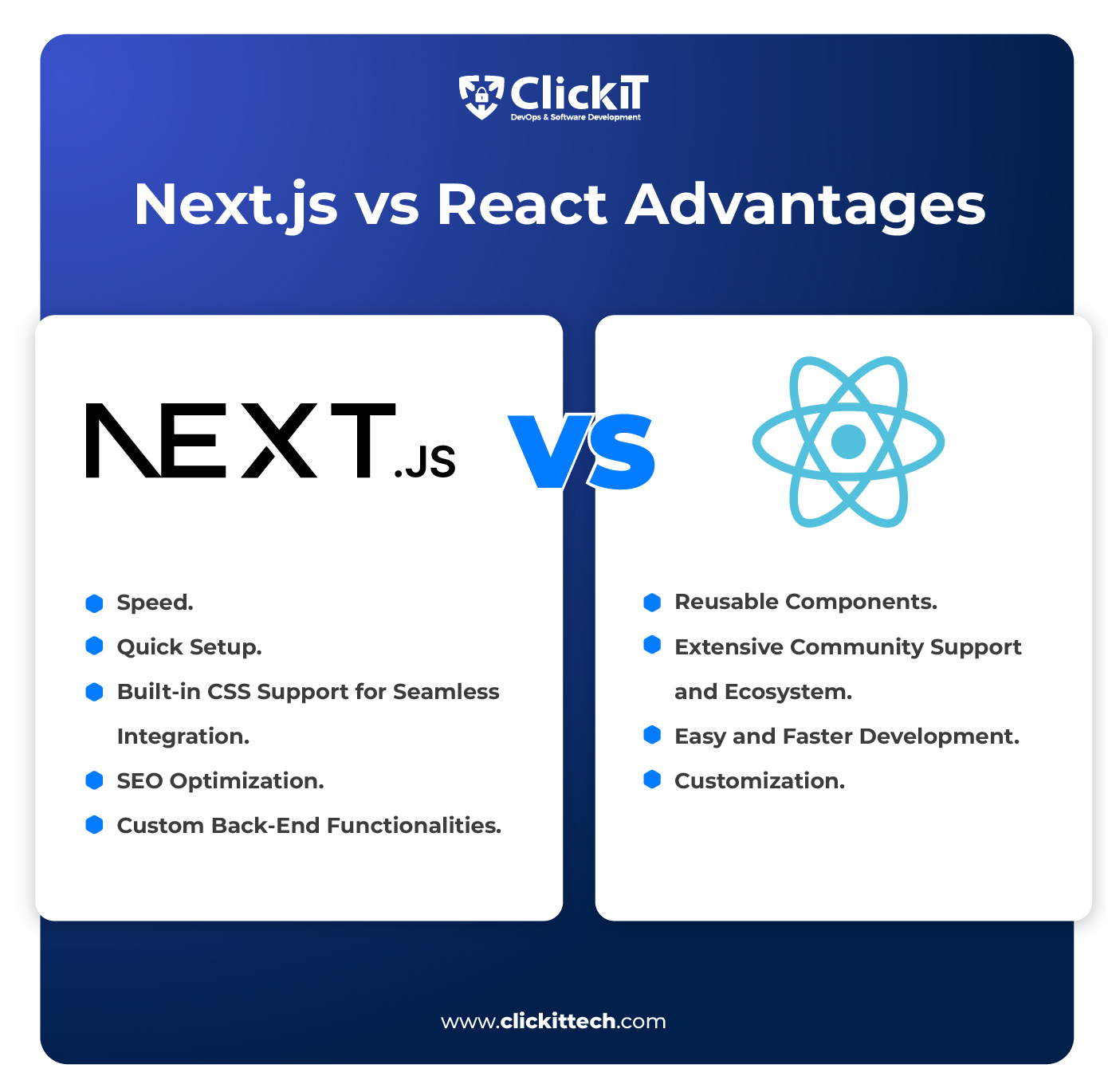
Pros: Lightweight, flexible, large ecosystem, great for SPAs. Cons: Requires additional tools for routing, SSR, and deployment.
Next.js: Pros and Cons
Pros: Full-stack capabilities, built-in optimization, easy deployment, great for SEO. Cons: Less flexible, steeper learning curve.
When to Use React
Use React for single-page applications, dashboards, and projects where you need maximum flexibility and control over the architecture.
When to Use Next.js
Use Next.js for websites that need SEO, full-stack applications, and projects where you want production-ready features without extra configuration.
Conclusion
Both are excellent choices. React is better for flexibility, while Next.js is better for rapid development and production-ready applications. Choose based on your project needs.